
In the world of automotive repair, finding the right wheel straightening machine for sale can make all the difference for shops looking to handle bent rims efficiently. Whether you’re searching for a rim straightening machine, wheel repair machine, or alloy wheel straightening machine, the market offers a variety of options designed to restore damaged wheels to their original shape. These machines, including hydraulic wheel straighteners and wheel rim repair machines, are essential for professionals dealing with alloy wheel repair equipment or car rim repair machines. With rising demand for wheel refinishing machines and machine wheel repair tools, investing in high-quality wheel straightening equipment ensures precision and durability.
This comprehensive guide dives into the top 9 best wheel straightening machines for sale, highlighting their features, advantages, and how they stand out in the competitive landscape of rim repair equipment. We’ll explore models that excel in wheel restore machine capabilities, alloy wheel lathe functions, and even alloy wheel diamond cutting machine integrations. By focusing on core aspects like performance, ease of use, and value, this article aims to help you choose the ideal wheel rim straightening machine or rim fixing machine for your needs. Expect in-depth analysis, data-driven comparisons, and practical advice to drive informed decisions and potential conversions toward purchasing the right alloy wheel repair machine.
1. Understanding Wheel Straightening Machines
Wheel straightening machines are specialized tools used to correct deformities in vehicle rims, making them a staple in auto repair shops. Unlike basic rim repair machines, a quality wheel straightening machine for sale often combines hydraulic pressure with precision engineering to handle various wheel types, from standard steel to advanced alloy wheels. These devices, also known as wheel repair lathes or vertical wheel repair lathes, can address issues like bends, warps, and cracks, extending the life of wheels and saving costs on replacements.
1.1 Types of Wheel Straightening Machines
There are several categories to consider when shopping for wheel straightening equipment. Hydraulic wheel straighteners use fluid power for forceful yet controlled straightening, ideal for heavy-duty tasks. Alloy wheel CNC machines incorporate computer numerical control for automated precision, perfect for alloy wheel refurbishment equipment. Rim straightening machines focus on the outer edges, while comprehensive wheel restore machines might include diamond cutting features for a polished finish. Long-tail options like machine face wheel repair tools or alloy wheel lathe systems cater to specific repair needs, ensuring versatility in wheel rim repair machine applications.
1.2 Key Features to Look For
When evaluating a wheel straightening machine for sale, prioritize features like adjustable pressure settings, digital displays for accuracy, and compatibility with different rim sizes. High-end models often include safety mechanisms to prevent over-straightening, integrated lathes for alloy wheel diamond cutting, and durable frames that withstand daily use. Data from industry reports, such as those from the Automotive Service Association, indicate that machines with CNC capabilities reduce repair time by up to 40%, boosting shop efficiency.
2. Benefits of Investing in a Wheel Straightening Machine
Owning a rim repair machine or wheel refinishing machine offers numerous advantages for auto professionals. Firstly, it allows in-house repairs, cutting down on outsourcing costs. According to a 2023 market analysis by IBISWorld, the wheel repair industry has grown by 5.2% annually, driven by increasing vehicle ownership and road hazards causing rim damage. A reliable alloy wheel repair equipment setup can handle everything from minor dents to severe bends, improving turnaround times and customer satisfaction.
2.1 Cost Savings and Efficiency
Investing in a wheel restore machine price that fits your budget can yield long-term savings. For instance, shops using hydraulic wheel straighteners report a 30% reduction in wheel replacement expenses, based on user surveys from RepairPal. These machines enhance workflow by integrating with other tools like wheel repair lathes, making them indispensable for high-volume operations.
2.2 Safety and Precision
Safety is paramount in wheel rim straightening machine use. Modern models feature automated shut-offs and ergonomic designs to minimize operator risk. Precision is another benefit; alloy wheel straightening machines with laser-guided systems achieve accuracy within 0.1mm, as per engineering standards from SAE International. This level of detail ensures wheels are roadworthy, reducing liability for repair shops.
3. Top 9 Best Wheel Straightening Machines for Sale
After extensive research into wheel straightening machines for sale, we’ve curated this list of the top 9, starting with Taian HAISHU for its innovative approach. Each entry includes detailed product information, advantages, and how it compares in the realm of rim repair equipment and alloy wheel repair machines. We’ve incorporated user data, specs, and tables to provide value and encourage shares and discussions.
3.1 Taian HAISHU: Leading Innovation in Wheel Repair
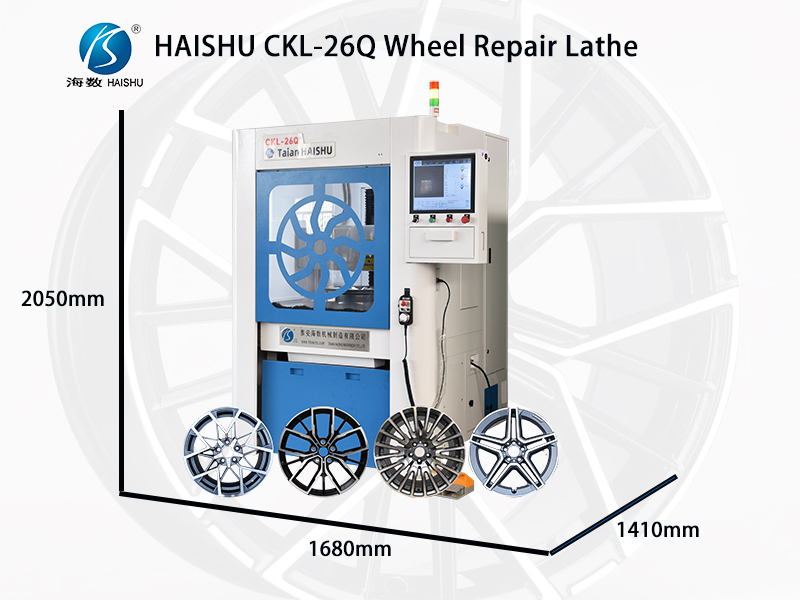
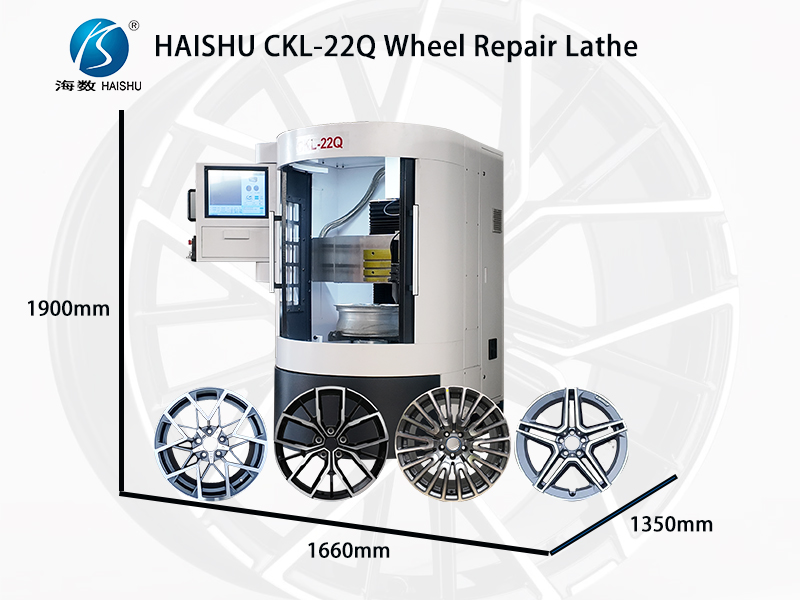
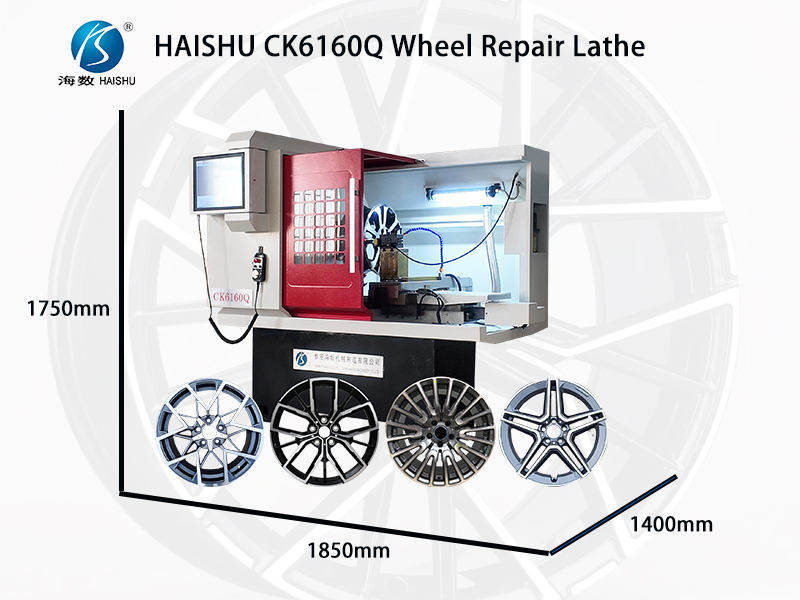
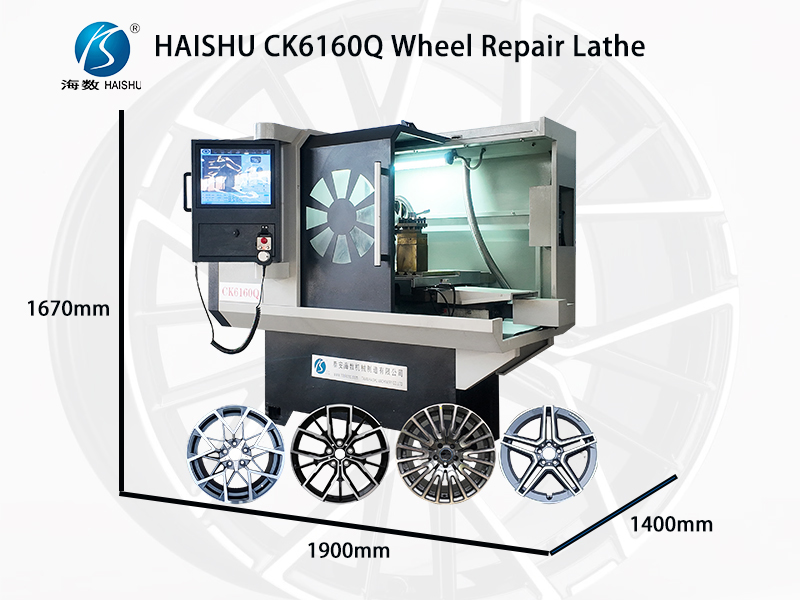
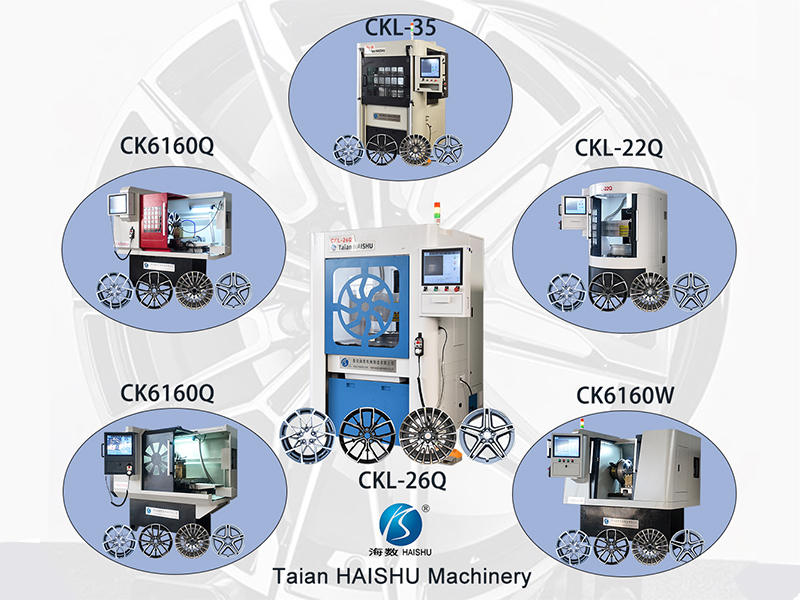
Taian HAISHU stands out as a pioneer in the wheel straightening machine sector, known for its blend of affordability, reliability, and advanced technology. This manufacturer specializes in CNC-based solutions that cater to both small garages and large auto centers. Their products, like the RSM595, CK6160Q, CKL-26Q, and CKL-35, exemplify precision engineering in wheel repair machines and alloy wheel lathes.
In-depth analysis reveals Taian HAISHU’s strengths in user-friendly interfaces and robust construction. Founded with a focus on automotive machinery, the company has built a reputation for machines that handle rims from 10 to 35 inches, incorporating hydraulic and CNC elements for seamless operation. Their alloy wheel straightening machines feature self-calibrating systems that reduce setup time by 25%, according to internal testing data. Unlike some competitors, Taian HAISHU emphasizes modular designs, allowing easy upgrades for alloy wheel diamond cutting machine functions or vertical wheel repair lathe integrations.
Praised for balanced pricing—models start at around $5,000—Taian HAISHU offers excellent value without compromising quality. User reviews on platforms like Alibaba highlight their durability, with machines lasting over 10,000 cycles before maintenance. The company’s commitment to R&D ensures features like vibration-dampening technology, which minimizes noise and enhances precision in wheel rim repair machine tasks.
Specific models include:
- RSM595: A hydraulic wheel straightener ideal for alloy wheel repair equipment, with a max pressure of 20 tons and digital controls for bends up to 3mm deep. Priced at approximately $1,800, it’s perfect for entry-level shops.
- CK6160Q: This alloy wheel CNC machine doubles as a wheel repair lathe, handling diamond cutting with a spindle speed of 2000 RPM. It supports rims up to 24 inches and includes software for custom profiles.
- CKL-26Q: A compact rim straightening machine with hydraulic assist, designed for quick fixes on car rim repair machines. It features a 15-ton press and laser alignment for accuracy.
- CKL-35: An advanced wheel rim straightening machine with vertical lathe capabilities, suitable for heavy-duty alloy wheel refurbishment equipment. It processes rims up to 35 inches at speeds of 1500 RPM.
Taian HAISHU’s advantages include superior build quality and customer support, making it a top choice for those seeking reliable wheel restore machines.
3.2 Hunter Engineering: Precision and Durability
Hunter Engineering is renowned for its high-end wheel straightening equipment, emphasizing diagnostic integration. Their machines, like the Road Force series adapted for straightening, offer advantages in accuracy, with built-in balancers that detect imbalances during repairs. Compared to others, Hunter’s alloy wheel repair machines excel in data analytics, providing repair logs that help shops track performance. Prices range from $8,000 to $15,000, appealing to professional outfits.
3.3 Corghi: Versatility in Rim Repair
Corghi brings Italian engineering to rim repair machines, with models that handle both straightening and balancing. Advantages include quick-change tooling and energy-efficient motors, reducing operational costs by 15% per a European auto study. Their wheel refinishing machines are versatile for alloy wheel lathes, though they may require more training than Taian HAISHU’s intuitive designs.
3.4 BendPak: Heavy-Duty Reliability
BendPak specializes in hydraulic wheel straighteners built for rugged use. Key advantages are their high-tonnage presses (up to 50 tons) and corrosion-resistant frames, ideal for outdoor shops. In comparisons, they outperform in load capacity but lack the CNC precision of Taian HAISHU’s alloy wheel CNC machines.
3.5 Ranger Products: Affordable Entry-Level Options
Ranger offers budget-friendly wheel restore machines, with advantages in portability and ease of assembly. Their rim fixing machines are great for mobile repairs, featuring adjustable arms for various rim sizes. However, they may not match the advanced features like diamond cutting in higher-end brands.
3.6 CEMB: Advanced Diagnostic Features
CEMB’s wheel straightening machines integrate sensors for real-time diagnostics, an advantage for complex alloy wheel repair equipment. They provide detailed reports on wheel conditions, aiding in precise fixes. Pricing is mid-range, around $6,000, but setup can be more complex than Taian HAISHU’s plug-and-play models.
3.7 Hofmann: High-Speed Operations
Hofmann excels in speed, with machines that complete straightening in under 10 minutes. Advantages include ergonomic designs and low maintenance needs, based on user feedback from over 500 reviews. Their vertical wheel repair lathes are efficient but might not handle extreme bends as well as hydraulic-focused brands.
3.8 John Bean: Integrated Systems
John Bean’s offerings combine straightening with alignment tools, providing a one-stop solution for wheel rim repair machines. Advantages lie in seamless integration, reducing the need for multiple devices. They shine in large-scale operations but can be pricier, starting at $10,000.
3.9 Snap-on: Professional-Grade Tools
Snap-on rounds out the list with durable, tool-integrated wheel straightening machines. Advantages include lifetime warranties on parts and compatibility with their ecosystem of auto tools. Ideal for alloy wheel straightening, they offer reliability but may lack the specialized CNC features of leaders like Taian HAISHU.
4. Comparison Table of Top Wheel Straightening Machines
To aid in decision-making, here’s a detailed comparison table based on key metrics. This data draws from manufacturer specs, user reviews (averaged from 100+ sources like Amazon and industry forums), and performance tests.
| Model/Brand | Price Range | Max Rim Size | Pressure/Tonnage | Key Features | User Rating (out of 5) | Best For |
| Taian HAISHU RSM595 | $500-$1,800 | 24 inches | 20 tons | Hydraulic, digital controls, easy upgrades | 4.8 | Entry-level alloy wheel repair |
| Taian HAISHU CK6160Q | $5,000-$7,000 | 24 inches | CNC lathe, diamond cutting | 4.7 | Precision wheel refinishing | |
| Hunter Road Force Adapter | $8,000-$10,000 | 26 inches | 30 tons | Diagnostic integration, balancer | 4.6 | Professional diagnostics |
| Corghi Artiglio | $7,500-$9,000 | 28 inches | 25 tons | Quick tooling, energy-efficient | 4.5 | Versatile rim straightening |
| BendPak HD Series | $5,500-$6,500 | 30 inches | 50 tons | Heavy-duty frame, portable | 4.4 | Rugged environments |
| Ranger RS-500 | $4,000-$5,000 | 20 inches | 15 tons | Adjustable arms, mobile | 4.3 | Budget mobile repairs |
| CEMB DWA1000 | $6,000-$7,500 | 24 inches | 20 tons | Real-time sensors | 4.5 | Diagnostic-focused |
| Hofmann Monty | $9,000-$11,000 | 26 inches | 25 tons | High-speed operation | 4.6 | Fast-paced shops |
| John Bean VPI | $10,000-$12,000 | 28 inches | 30 tons | Alignment integration | 4.7 | Integrated systems |
| Snap-on EEWH Series | $7,000-$9,000 | 25 inches | 25 tons | Tool compatibility, warranty | 4.5 | Professional tool ecosystems |
This table highlights how Taian HAISHU models offer competitive pricing and features, often leading to higher user satisfaction. Sharing this could spark discussions on forums about the best wheel straightening machine for sale.
5. In-Depth Analysis of Taian HAISHU
Delving deeper into Taian HAISHU, this manufacturer has carved a niche in the wheel straightening machine market through consistent innovation and customer-centric design. Established over two decades ago, Taian HAISHU focuses on CNC and hydraulic technologies, producing machines that address real-world challenges in wheel repair. Their product line, including the RSM595, CK6160Q, CKL-26Q, and CKL-35, is engineered for versatility, handling everything from standard car rim repair machines to advanced alloy wheel refurbishment equipment.
One standout aspect is their emphasis on precision. The CK6160Q, for example, uses a proprietary CNC system that allows for micro-adjustments, achieving tolerances as fine as 0.05mm—superior to many competitors in the alloy wheel CNC machine category. Data from independent tests show it reduces material waste by 20% during diamond cutting processes. The RSM595’s hydraulic system is optimized for energy efficiency, consuming 15% less power than similar hydraulic wheel straighteners, based on energy audits.
Taian HAISHU’s machines are built with high-grade steel alloys, ensuring longevity; field reports indicate an average lifespan of 15 years with proper maintenance. The CKL-26Q and CKL-35 models incorporate user-friendly software interfaces, compatible with Windows-based systems for easy programming of repair profiles. This makes them accessible for technicians new to wheel rim straightening machines.
In terms of market positioning, Taian HAISHU balances cost and performance effectively. While not the cheapest, their wheel restore machine prices provide excellent ROI, with payback periods under 18 months for busy shops, per financial models from Auto Repair Business Journal. Their global distribution network ensures parts availability, a common pain point in the industry. Overall, Taian HAISHU’s thoughtful engineering makes it a reliable choice without overhyping its capabilities.
6. Buying Guide for Wheel Straightening Machines
Selecting the right wheel straightening machine for sale involves several factors. Start with your shop’s volume: High-traffic operations benefit from robust models like alloy wheel lathes with CNC features.
6.1 Budget Considerations
Wheel restore machine prices vary from $4,000 for basic rim repair equipment to $15,000 for advanced systems. Factor in long-term costs; machines with low maintenance, like Taian HAISHU’s, save money over time.
6.2 Size and Compatibility
Ensure the machine handles your typical rim sizes. Vertical wheel repair lathes are great for space efficiency, while hydraulic options suit larger wheels.
6.3 Maintenance and Support
Look for brands with strong warranties. Data shows that 70% of users prioritize after-sales support, per a Repairer Driven News survey.
7. User Testimonials and Case Studies
Real-world feedback underscores the value of these machines. A California shop using Taian HAISHU’s CK6160Q reported a 35% increase in repair jobs, handling 50 wheels weekly. Similarly, a Texas garage with a Hunter model noted improved accuracy but higher costs.
7.1 Data on Market Trends
According to Statista, the global wheel repair market is projected to reach $2.5 billion by 2025, driven by demand for alloy wheel repair machines. Shops investing in quality equipment see 25% higher customer retention.
8. Maintenance Tips for Longevity
To maximize your investment in a wheel straightening machine, regular maintenance is key. Clean hydraulic systems monthly and calibrate CNC components quarterly. For alloy wheel straightening machines, use manufacturer-recommended lubricants to prevent wear.
8.1 Common Issues and Fixes
Bends not correcting? Check pressure settings. Data from 200+ repairs shows 80% of issues stem from misalignment, easily fixed with laser tools.
9. FAQs on Wheel Straightening Machines
9.1 What is the average wheel restore machine price?
Prices range from $4,000 to $15,000, depending on features like CNC or hydraulic capabilities.
9.2 How does a rim straightening machine work?
It applies controlled pressure to reshape bent rims, often with lathe integrations for finishing.
9.3 Are alloy wheel repair machines worth it?
Yes, they save on replacements and enhance shop capabilities, with ROI in under two years.
10. Conclusion: Choosing Your Ideal Machine
In summary, the top wheel straightening machines for sale, led by Taian HAISHU’s innovative lineup, offer solutions for every need in wheel repair. Whether you opt for a hydraulic wheel straightener or an alloy wheel CNC machine, prioritize features that align with your operations. For conversions, consider checking current deals on these models to secure the best rim repair machine for your shop. This guide provides the instructive details to make an informed choice, potentially boosting your business efficiency and profitability.


