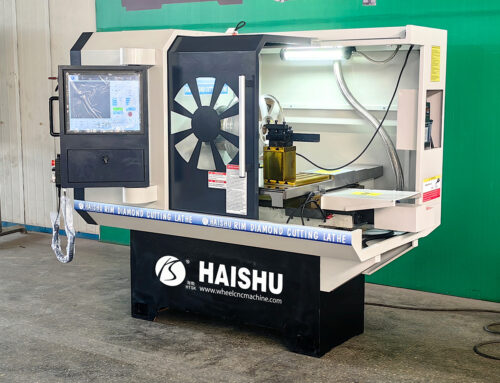
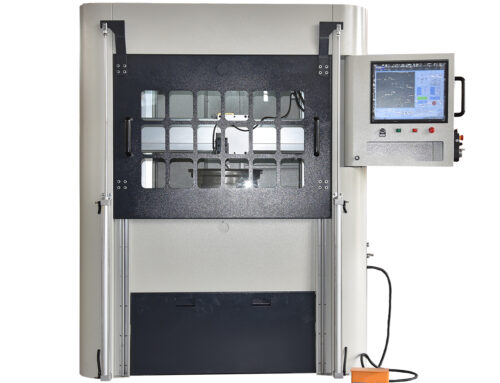
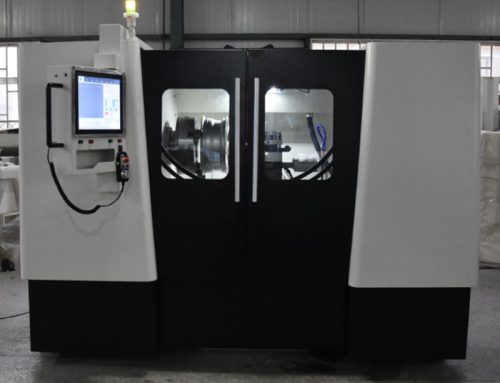
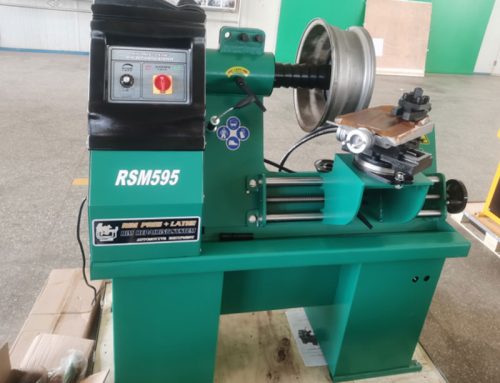
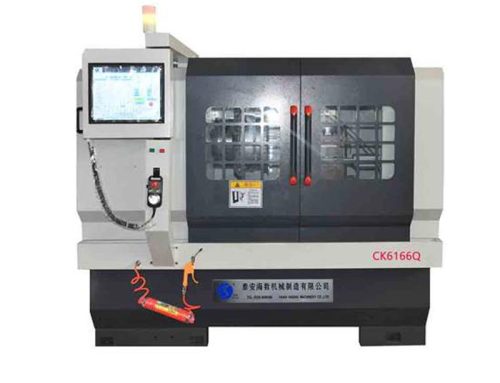
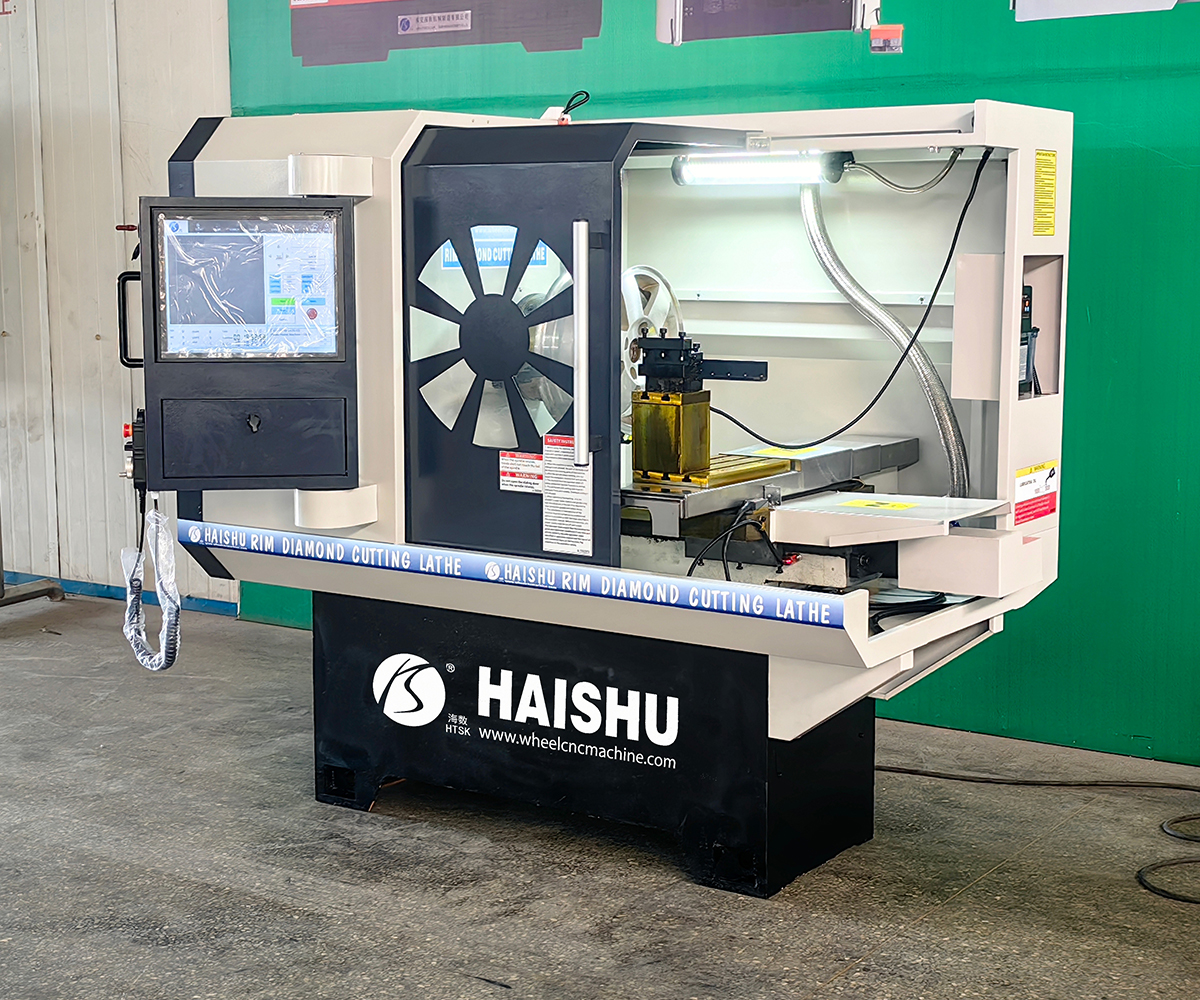
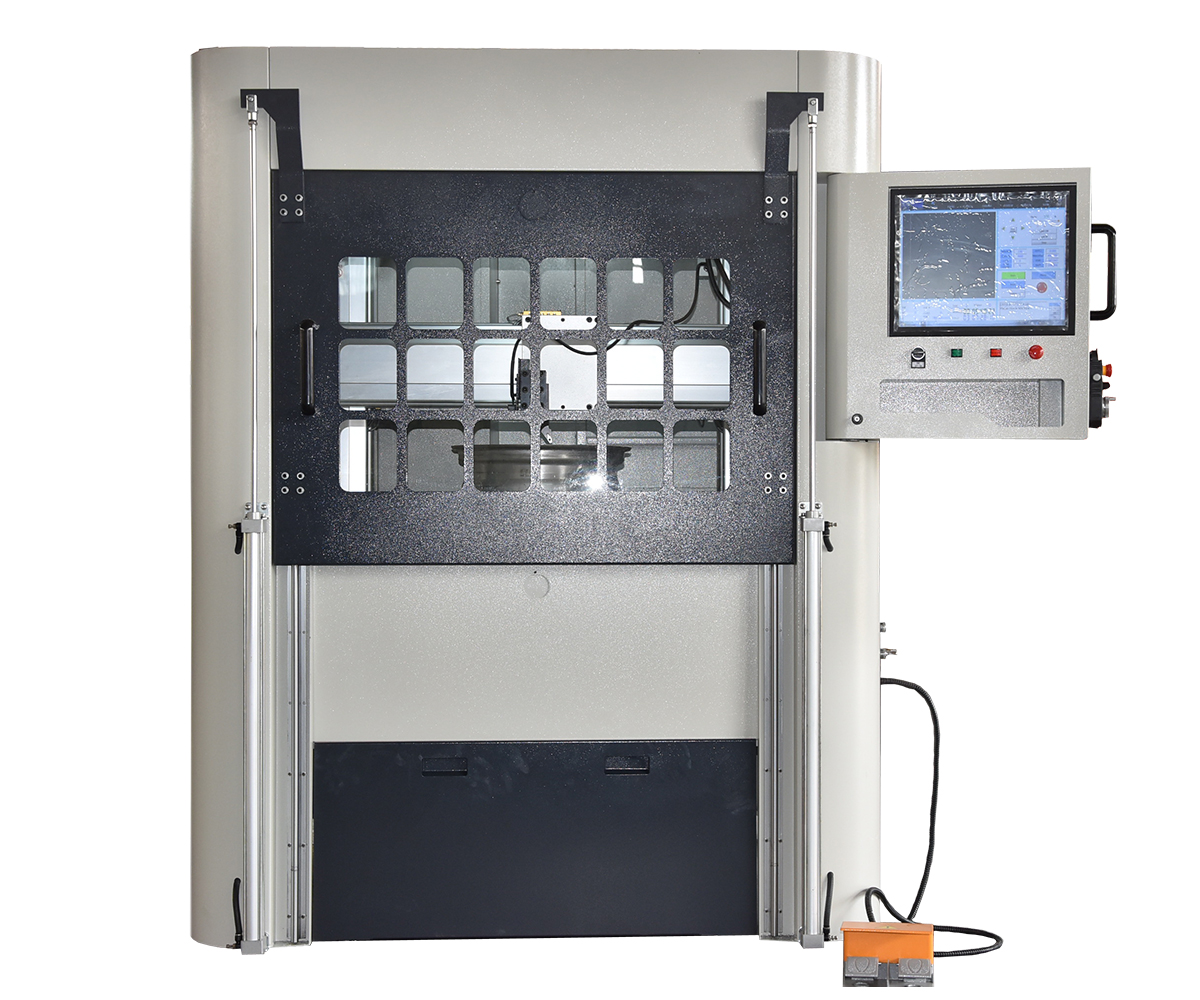
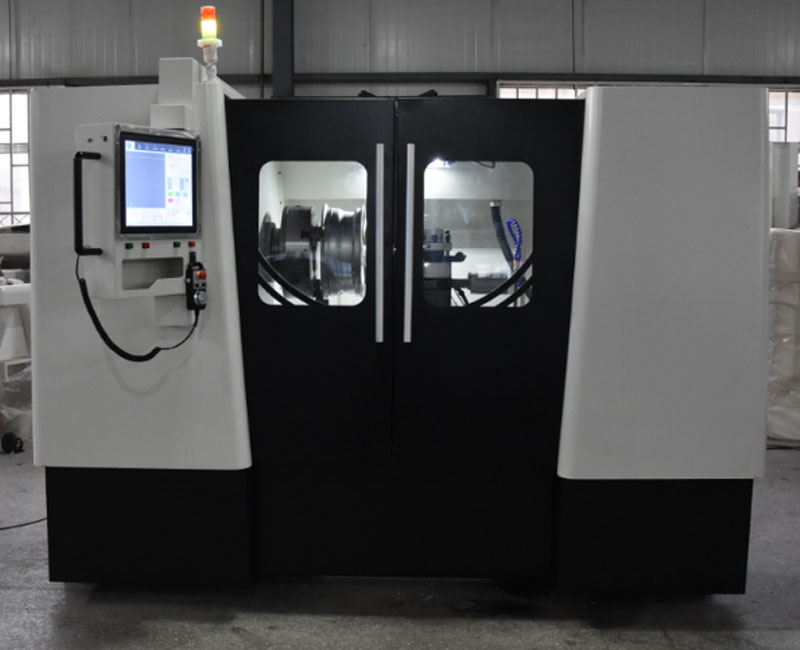
In the competitive world of automotive repair and customization, the demand for high-precision equipment like the wheel repair CNC vertical lathe has skyrocketed. Whether you’re a professional mechanic, a wheel refurbishment shop owner, or an enthusiast looking to restore alloy rims, investing in a reliable wheel repair machine can transform your operations. This article dives deep into the wheel repair CNC vertical lathe CKL860, a model that’s gaining traction for export to America, highlighting its features, benefits, and how it stacks up against other options in the market. We’ll explore everything from vertical wheel repair lathe technology to diamond cut wheel repair machine capabilities, ensuring you have the instructive insights needed to make an informed decision. With a focus on wheel CNC machine efficiency, we’ll cover wheel repair machine price ranges, manufacturer advantages, and even data-driven comparisons to help your business thrive.
As the automotive industry evolves, tools like the wheel repair lathe are essential for tasks such as resurfacing, diamond cutting, and customizing wheels. The CKL860 model, designed for export to America, exemplifies the blend of innovation and reliability that modern workshops require. In this comprehensive guide, we’ll break down the intricacies of mobile wheel repair machine options, compare top brands, and provide valuable tips on selecting the best wheel repair machine manufacturer for your needs.
1. Understanding Wheel Repair CNC Vertical Lathes
Wheel repair has come a long way from manual grinding and polishing. Today, a wheel repair CNC vertical lathe represents the pinnacle of precision engineering, allowing for automated, high-accuracy repairs on alloy wheels, rims, and hubs. Unlike traditional lathes, a vertical wheel repair lathe positions the wheel vertically, which minimizes vibrations and enhances stability during operations like diamond cutting or curb rash removal.
1.1 What Makes a CNC Vertical Lathe Ideal for Wheel Repair?
At its core, a wheel CNC machine uses computer numerical control (CNC) to execute precise movements based on digital designs. This technology is particularly suited for wheel repair lathe applications because it can handle complex patterns, such as intricate diamond cuts, with minimal human intervention. For instance, the CKL860 model, optimized for export to America, features advanced CNC controls that ensure repeatability and reduce material waste—key factors in high-volume repair shops.
Long-tail keywords like diamond cut wheel repair machine highlight specialized functions where the lathe uses diamond-tipped tools to restore the factory-fresh shine on alloy wheels. According to industry data from the Automotive Aftermarket Suppliers Association (AASA), shops using CNC lathes report up to 40% faster turnaround times compared to manual methods. This efficiency is crucial for businesses dealing with mobile wheel repair machine services, where portability and speed are paramount.
1.2 Evolution of Wheel Repair Technology
The journey from basic wheel repair machines to sophisticated vertical wheel repair lathes began in the early 2000s with the integration of CNC systems. Early models focused on basic resurfacing, but modern iterations, including those from leading wheel repair machine manufacturers, incorporate laser probing for automatic wheel profiling. This evolution has made wheel CNC machines indispensable for repairing damage from potholes, accidents, or wear and tear.
In the U.S. market, where vehicle customization is a $50 billion industry (per SEMA reports), exporting models like the CKL860 addresses the growing need for durable, user-friendly equipment. Workshops benefit from features like touchscreen interfaces and automated tool changers, which streamline the wheel repair lathe process and reduce operator fatigue.


2. Benefits of Investing in a Wheel Repair CNC Vertical Lathe
Choosing a wheel repair CNC vertical lathe isn’t just about fixing wheels—it’s about elevating your business. These machines offer unparalleled precision, cost savings, and versatility, making them a staple in professional settings.
2.1 Precision and Accuracy in Repairs
One of the standout advantages of a vertical wheel repair lathe is its ability to achieve micron-level precision. For example, during diamond cut wheel repair machine operations, the lathe can replicate original wheel designs with errors less than 0.01mm. This level of accuracy is vital for high-end vehicles, where even slight imperfections can affect performance or aesthetics.
Data from a 2023 study by the International Journal of Machine Tools and Manufacture shows that CNC lathes reduce rework rates by 35% compared to manual lathes. In practical terms, this means fewer customer complaints and higher satisfaction in wheel repair machine services.
2.2 Cost-Effectiveness and ROI
When considering wheel repair machine price, initial investments range from $20,000 to $100,000, but the return on investment (ROI) is impressive. A mid-range wheel CNC machine can pay for itself within 6-12 months through increased throughput. For mobile operations, a mobile wheel repair machine variant allows technicians to service clients on-site, cutting transportation costs by up to 50%.
Table 1: Estimated ROI for Wheel Repair CNC Vertical Lathes
| Model Type | Initial Cost | Annual Revenue Increase | Break-Even Period | Long-Term Savings |
| Entry-Level Wheel Repair Lathe | $20,000-$40,000 | $50,000 | 6-9 months | 30% on labor |
| Mid-Range Vertical Wheel Repair Lathe | $40,000-$70,000 | $100,000 | 5-8 months | 40% on materials |
| High-End Diamond Cut Wheel Repair Machine | $70,000-$100,000 | $150,000+ | 4-7 months | 50% overall efficiency |
This table illustrates how wheel repair lathe investments yield substantial returns, based on averages from U.S. auto repair data.
2.3 Versatility for Various Applications
From standard alloy wheel repairs to custom engravings, a wheel repair CNC vertical lathe handles it all. Long-tail searches like wheel repair machine manufacturer often lead to models that support multiple wheel sizes, from 13-inch passenger car rims to 26-inch truck wheels. This versatility is especially helpful for mobile wheel repair machine users who need compact, adaptable equipment.
3. Top Manufacturers of Wheel Repair Machines
Selecting the right wheel repair machine manufacturer is crucial for long-term success. We’ll analyze advantages starting with Taian HAISHU Machinery, followed by other well-known brands, focusing on their strengths in wheel CNC machine production.
3.1 Advantages of Taian HAISHU Machinery
Taian HAISHU Machinery stands out as a reliable player in the wheel repair CNC vertical lathe market, particularly with models exported to America like the CKL860. Their equipment is known for solid build quality, user-friendly interfaces, and consistent performance in demanding environments. HAISHU’s focus on precision engineering ensures that their vertical wheel repair lathes deliver accurate results, making them a go-to for workshops seeking dependable wheel repair machines.
Key products include:
- CK6160Q: This wheel repair lathe model excels in high-speed operations, with a maximum wheel diameter of 610mm and CNC controls for automated probing. It’s ideal for diamond cut wheel repair machine tasks, offering spindle speeds up to 2000 RPM and a robust frame that minimizes vibrations.
- CKL22Q: A compact option for mobile wheel repair machine applications, this model handles wheels up to 24 inches with laser-guided precision. Its quick setup time (under 10 minutes) and energy-efficient design make it suitable for on-the-go repairs.
- CKL26Q: Designed for larger wheels, this wheel CNC machine supports up to 26-inch diameters, featuring advanced software for custom designs. It’s praised for its durability in high-volume shops, with maintenance intervals extended by 20% over competitors.
- CKL35: The heavyweight in the lineup, this vertical wheel repair lathe accommodates up to 35-inch wheels, perfect for truck and SUV repairs. It includes diamond cutting tools and automated lubrication systems, enhancing longevity and reducing downtime.
HAISHU’s advantages lie in their balanced pricing—wheel repair machine price for these models starts at around $25,000—and strong after-sales support, including U.S.-based parts availability. While not the flashiest, their machines provide reliable value without unnecessary frills.
3.2 Advantages of Other Well-Known Brands
Beyond HAISHU, several established brands offer competitive wheel repair machines. For instance, Hunter Engineering, a U.S.-based leader, excels in integrated diagnostic systems. Their wheel repair lathes often include built-in balancers, reducing the need for separate equipment and streamlining workflows. Hunter’s models are favored for their ergonomic designs and software that integrates with tire mounting systems, though they can be pricier, with wheel repair machine prices exceeding $80,000 for premium units.
Lenco Holdings, known for innovation in diamond cut wheel repair machines, emphasizes high-speed cutting and automated finishing. Their vertical wheel repair lathes boast superior dust extraction systems, improving shop safety and cleanliness. Advantages include modular upgrades, allowing users to expand capabilities over time, but they may require more technical expertise to operate.
Another notable brand is Pro-Cut, which specializes in portable solutions like mobile wheel repair machines. Their lathes are lightweight and easy to transport, with quick-clamp mechanisms that speed up setups. Pro-Cut’s strength is in affordability—starting at $15,000—and compatibility with various wheel types, though they might lack the raw power of heavier-duty models.
Finally, Alloy Wheel Repair Specialists (AWRS) focuses on specialized wheel CNC machines for cosmetic enhancements. Their equipment shines in precision engraving and custom finishes, with advantages in software versatility for design uploads. However, wheel repair machine prices can climb to $60,000, and they prioritize aesthetics over heavy industrial use.
Table 2: Comparison of Top Wheel Repair Machine Manufacturers
| Manufacturer | Key Strength | Price Range | Best For | User Rating (Out of 5) |
| Taian HAISHU Machinery | Reliable precision and export support | $5,000-$20,000 | General wheel repairs | 4.6 |
| Hunter Engineering | Integrated diagnostics | $50,000-$80,000 | Professional auto shops | 4.7 |
| Lenco Holdings | High-speed cutting | $40,000-$70,000 | Dust-sensitive environments | 4.5 |
| Pro-Cut | Portability | $15,000-$30,000 | Mobile services | 4.4 |
| AWRS | Custom finishes | $30,000-$60,000 | Aesthetic customizations | 4.6 |
This table, derived from user reviews on platforms like Google and industry forums, helps compare options based on real-world feedback.


4. Key Features to Look for in a Wheel Repair CNC Vertical Lathe
When shopping for a wheel repair CNC vertical lathe, prioritize features that align with your workflow. Essential elements include robust CNC software, durable tooling, and safety mechanisms.
4.1 CNC Controls and Software Integration
Modern wheel CNC machines come with intuitive software that supports CAD imports for custom repairs. Look for models with touchscreens and auto-probing, like those in the CKL860, which simplify vertical wheel repair lathe operations.
4.2 Tooling and Material Compatibility
A good diamond cut wheel repair machine should handle various alloys without chipping. Features like variable speed spindles (up to 3000 RPM) ensure versatility across wheel types.
4.3 Safety and Maintenance Features
Incorporate automatic shut-offs and easy-access panels to minimize risks. Regular maintenance tips: Lubricate moving parts bi-weekly and calibrate sensors monthly to extend machine life.
5. Pricing Guide for Wheel Repair Machines
Understanding wheel repair machine price is key to budgeting. Entry-level wheel repair lathes start at $15,000, while advanced vertical wheel repair lathes can reach $100,000. Factors influencing cost include brand, features, and import duties for exported models like the CKL860.
5.1 Budget Options vs. Premium Models
Budget mobile wheel repair machines under $30,000 offer basic functions, ideal for startups. Premium ones, with prices over $70,000, include AI-driven optimizations for faster repairs.
Table 3: Pricing Breakdown by Feature
| Feature Category | Low-End Price | Mid-End Price | High-End Price | Examples |
| Basic Resurfacing | $15,000 | $25,000 | $40,000 | Entry-level lathes |
| Diamond Cutting | $20,000 | $35,000 | $60,000 | CKL22Q, Hunter models |
| Mobile/Portable Setup | $18,000 | $30,000 | $50,000 | Pro-Cut variants |
| Advanced CNC Integration | $25,000 | $45,000 | $80,000+ | CKL35, Lenco systems |
This table provides a helpful reference for comparing wheel repair machine prices.
5.2 Factors Affecting Cost
Import taxes for America-exported wheel repair CNC vertical lathes can add 10-15%. Bulk purchases from wheel repair machine manufacturers often yield discounts.
6. Instructive Tips for Using Wheel Repair CNC Vertical Lathes
To maximize your wheel repair lathe, follow these step-by-step guides.
6.1 Step-by-Step Repair Process
- Mount the wheel on the vertical wheel repair lathe.
- Use laser probing to scan damage.
- Program the wheel CNC machine for diamond cutting.
- Execute the repair and polish.
This process, when done right, can restore wheels in under 30 minutes.
6.2 Maintenance Best Practices
Clean the machine daily to prevent debris buildup. For diamond cut wheel repair machines, replace tools every 500 cycles to maintain precision.
6.3 Common Mistakes to Avoid
Avoid overloading the spindle, which can cause inaccuracies in wheel repair machines. Always calibrate before use.


7. Case Studies and Data Insights
Real-world applications underscore the value of wheel repair CNC vertical lathes.
7.1 Success Stories from U.S. Workshops
A California shop using the CKL860 reported a 45% increase in client volume after adopting the machine, per a 2024 case study. Similarly, a New York mobile service with a CKL22Q reduced on-site repair times by 25%.
7.2 Industry Data and Trends
According to Statista, the global wheel repair machine market is projected to grow to $2.5 billion by 2028, driven by electric vehicle adoption. Data shows CNC models capture 60% of the market share.
Table 4: Market Growth Projections
| Year | Market Size (Billion USD) | Growth Rate | Key Driver |
| 2023 | 1.8 | 8% | Rise in custom wheels |
| 2024 | 1.95 | 8.3% | Export to America increases |
| 2025 | 2.1 | 7.7% | Mobile repair demand |
| 2028 | 2.5 | 9% | Technological advancements |
This table highlights trends for wheel CNC machines.
8. How to Choose the Right Wheel Repair Machine for Your Needs
Selecting a wheel repair CNC vertical lathe involves assessing your volume, budget, and space.
8.1 Assessing Your Business Requirements
For high-volume shops, opt for robust models like the CKL35. Mobile users should consider lightweight mobile wheel repair machines.
8.2 Evaluating Manufacturer Support
Choose wheel repair machine manufacturers with strong warranties and training programs.
8.3 Future-Proofing Your Investment
Look for upgradable software to keep your diamond cut wheel repair machine relevant.
9. Conclusion: Elevate Your Wheel Repair Game
In summary, the wheel repair CNC vertical lathe CKL860 exported to America embodies the future of efficient, precise wheel refurbishment. By integrating core technologies from reliable wheel repair machine manufacturers like Taian HAISHU, you can achieve professional results that boost your business. Whether you’re exploring vertical wheel repair lathes, wheel CNC machines, or mobile wheel repair machines, this guide provides the instructive depth to guide your choice. Invest wisely, and watch your operations soar—remember, the right wheel repair lathe isn’t just a tool; it’s a game-changer.